Exclusive Beaver Creek Dinner Honors Tuscan Wine Magnate

At the appointed hour on a snowy Friday evening in February, my Uber drops me off at the doorstep of a nearly 9,000-square-foot Tuscan-style villa on a hillside high above Beaver Creek's main entrance gate. Tiberius—a life-size sculpture of a laughing, wine-bottle-wielding bruin, stands guard outside the entryway, where a bronze plaque tells me that I’ve arrived in the right place: “Casa Di Montagna Della Rotella,” the mountain home of Jonathan and Alysa Rotella, one of this tony resort enclave’s most notable, and sociable, power couples.
The estate’s patriarch, an affable 51-year-old entrepreneur with a perpetual five o’clock shadow and the build of a linebacker, is returning from a walk with Bella, his boisterous charcoal purebred English Labrador Retriever. Dressed all in black, he extends a beefy right hand bearing an enormous diamond-crusted Super Bowl LXI ring and shakes mine. “So glad you could make it!” he says. “Please, come inside!”
We enter through the home's ski-in landing into a below-grade inner sanctum, where, beyond a billiards table, I catch a glimpse of the holy of holies, a former walk-in closet that eight summers ago Rotella converted, at no small expense, into a nearly 500-square-foot temple of Bacchus.
If wine cellars were art galleries, this would be one of the most important and notable private collections in the mountain West. Represented among 3,200 bottles in their original wood cases, preserved at a perpetual 55 degrees and 65 percent humidity, are the requisite five-figure masterpieces from prestigious producers like Domaine de la Romanée-Conti. But he’s also curated one of the world’s most complete collections of exceptional award-winning vintages from Marchesi Antinori, Italy’s largest (employing more than a thousand at 12 estates), and one of its oldest (founded in 1385), family-owned winemaking operations.
I am here because Rotella has invited me, and 49 other guests, into his home for a special dinner—five elaborate courses paired with 11 of Antinori’s most celebrated wines—to honor a dear friend, Marchese Piero Antinori.
Piero Antinori is literally wine royalty, if not something of a god, a Dionysian innovator who upended the staid Italian winemaking industry in the 1970s by blending traditional domestic grapes with international varieties to create the world's first Super Tuscan wine, named for a vineyard on his estate Tenuta Tignanello in the heart of Chianti Classico, south of Siena.
Eleven years ago, after announcing his retirement from actively leading Marchesi Antinori at age 76, Wine Spectator feted Piero Antinori as “the driving force behind one of Italy’s biggest success stories … a leader in the renaissance of all Italian wines.” He's also one of the mentors who has inspired and influenced Jonathan Rotella’s journey as an oenophile and a pioneering entrepreneur. (Rotella made his fortune as founder and CEO of NexGen Hyperbaric, a company that patented a mobile version of medical-grade hyperbaric oxygen therapy technology that has become a not-so-secret weapon for national sports team franchises to help elite athletes return to the field, court, and rink more quickly after injury. Hence, the Super Bowl ring, presented by the Philadelphia Eagles in recognition of the supporting role NexGen played in the team's 2025 win.)
We emerge from a stairway into a bustling professional-grade kitchen that could be a location shoot for The Bear, where Mirabelle Restaurant Master Chef Daniel Joly, a 1986 graduate of the Culinary Institute of Brussels, commands the center of the room, dressed in spotless whites and leaning over dozens of plates arranged on a Capri-sized island of Italian marble.
He’s assembling our first course: hearts of palm salad with avocado, citrus segments, baby greens, Parmesan and Emmental cheese croquettes in Dijon lemon mustard vinaigrette, which will be paired with Antinori chardonnays from Umbria and Napa Valley.
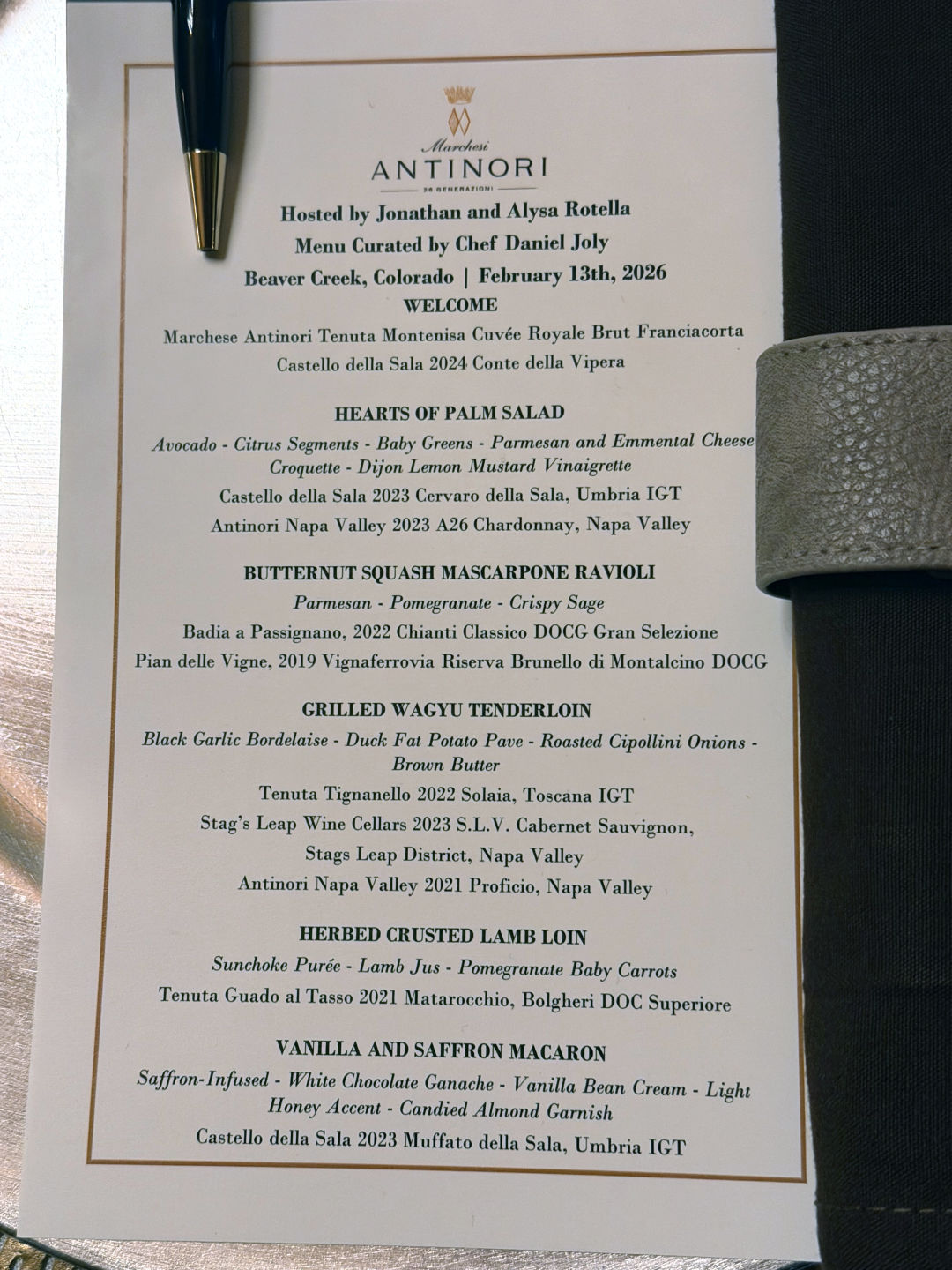
Image: Ted Katauskas
On a wall just outside the cozy space hangs an oversized framed photo of another cozy space oriented around food and wine: the dining room at Tenuta Tignanello, where Piero Antinori invented the Super Tuscan in 1971 and where Jonathan Rotella celebrated his 50th birthday in October 2025. The marchese is seated at the head of a vast set table, chatting amiably with Rotella’s 5-year-old son Lorenzo, while the NexGen CEO blissfully gazes past a wine glass and out a nearby window at undulating vineyards that sparked a winemaking revolution. This is his happy place.

Image: Ted Katauskas
“I met Piero Antinori at the Naples Wine Festival more than 15 years ago, and we just connected,” Rotella tells me. “It was very organic and real. Piero meets a lot of people—he’s Italian royalty, after all. We had a glass of wine together, and I knew his wines extraordinarily well, so I started asking him questions, and one thing led to another. It’s been an amazing friendship from day one. The Antinoris have been very good to my family and friends, and so this is something that I have wanted to do for them for many, many years. Alysa and I wanted to take advantage of the home we have here in Beaver Creek to host a large event.”
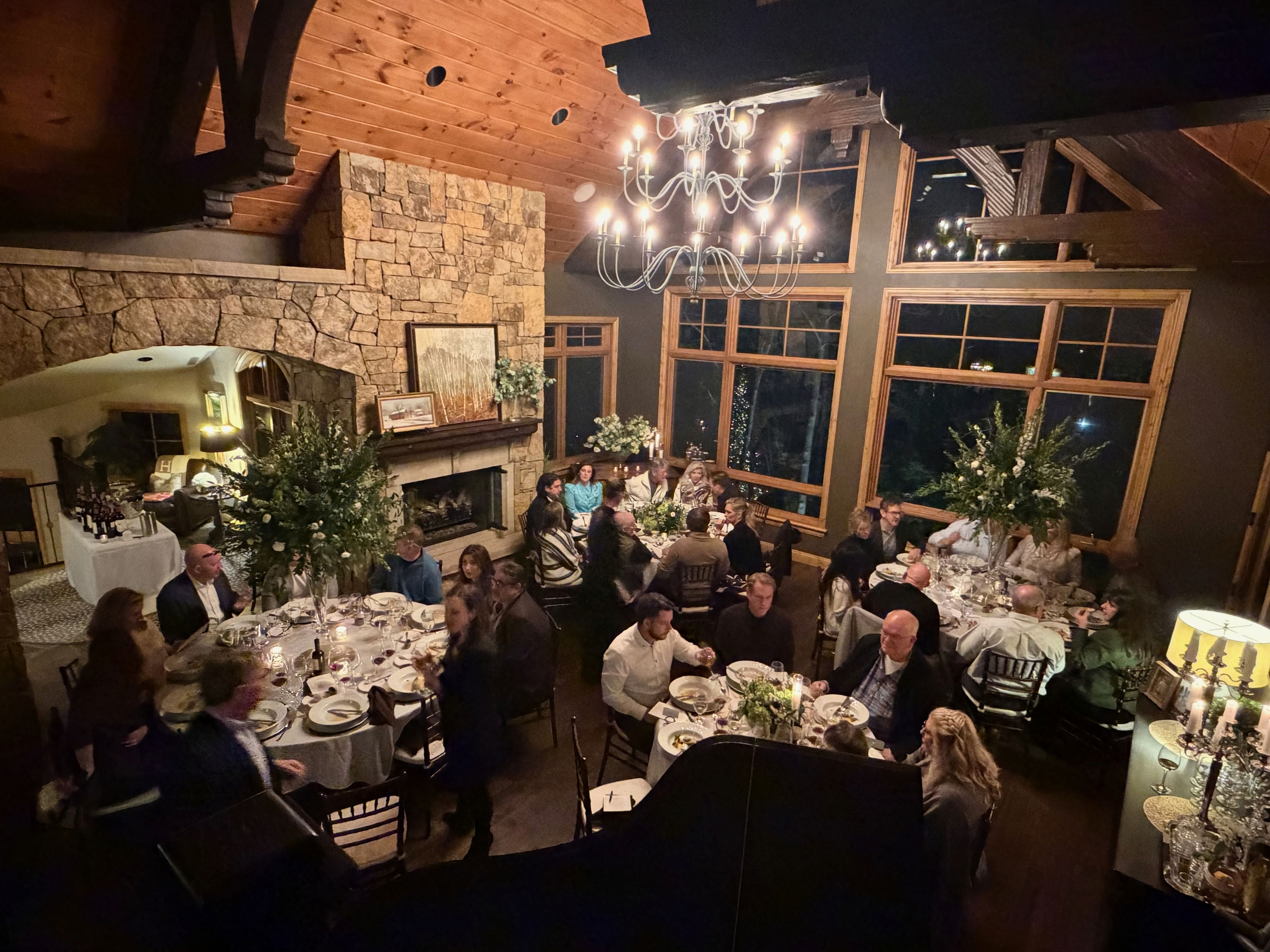
I follow Rotella into the villa’s great room, now a dining hall, where Alysa is assessing four round tables crowned with towering floral arrangements by Vintage Magnolia and crowded with fine china, sterling, and Riedel stemware; with all that hand-blown glass (11 wines times 50 guests), lit by chandeliers and candelabras, the cavernous space glows like a crystal palace.
“This is how I show my love, through entertaining,” she says, tweaking a place setting as guests begin to arrive. “Obviously, I’m not cooking tonight—I’ll let Daniel worry about that. My work is done. Now I’m ready to enjoy the fruits of my labor.”

Image: Courtesy Alysa Rotella
Due to scheduling demands, not to mention the limitations of advanced age—the marchese will celebrate his 88th birthday in July—Piero Antinori has sent his regrets, with 11 cases of wine, and a proxy: Marchesi Antinori CEO and chief winemaker, Renzo Cotarella, another wine industry legend. The 71-year-old Cotarella lives in Orvieto, where, in 1979, at Marchesi Antinori's Castello della Sala, a medieval castle dating to the 14th century, he made his first wine, a pioneering chardonnay blend Wine Spectator deems “one of Italy's most renowned white wines.”
Dashing in an impeccably tailored Italian suit with a starched white open collar, he's standing at the head of the room, backdropped by floor-to-ceiling windows overlooking an aspen grove. After making introductions, Rotella explains that once the marchese sent the list of wines that would be served with the dinner, he collaborated with chef Joly to craft a menu to complement the pairings, each course starring an Antinori selection from Italy and another from Antinori Napa Valley or Stag's Leap (the company's estates in California), and Cotarella will guide us through the tasting.
“I’ll try not to be too boring,” deadpans Cotarella, smiling broadly, before turning serious. “It’s not just tasting. I think it is something more. It’s a history lesson. And the purpose is not to understand or to decide which one is better than the other, because we are 50 people. I don’t think we are omniscient in saying which is best. What is really important is to understand the style of each wine.”
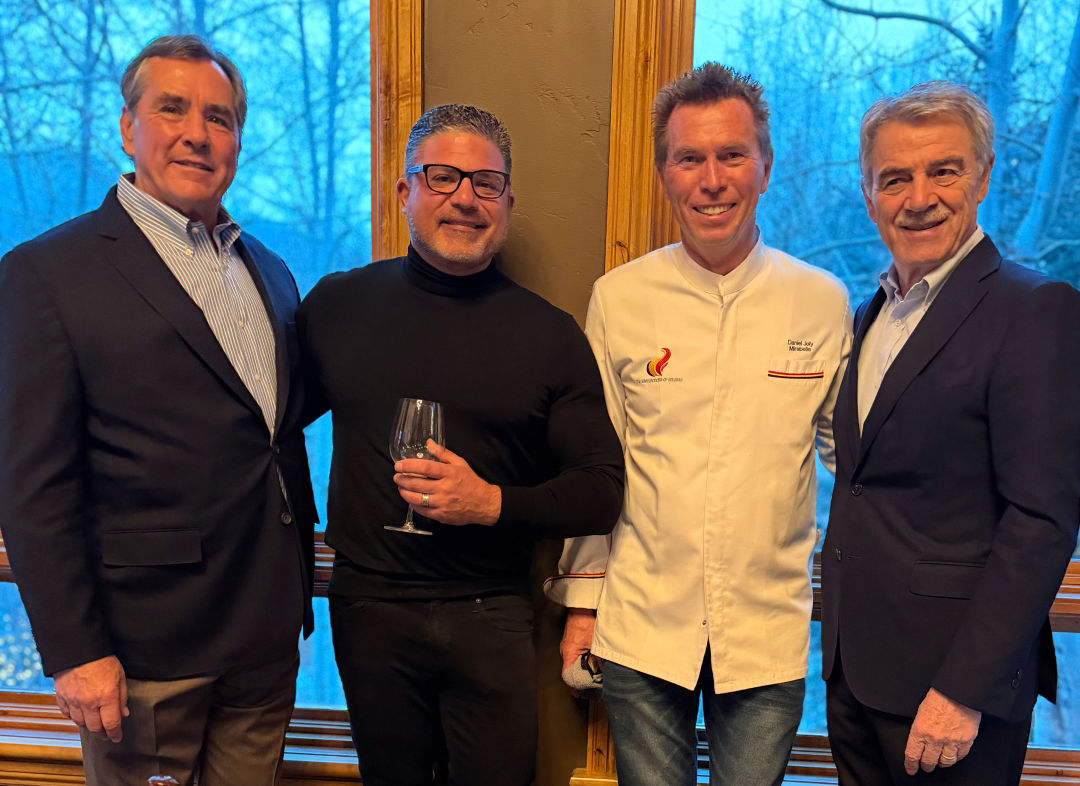
Image: Ted Katauskas
In other words: To swirl, sip, and explore the nuance of Napa Valley, to grasp what Napa on the hilltop means in one glass, and what Napa on the valley floor means in another. Then in the next pours, travel to Italy and experience similar subtleties between a cabernet from central Tuscany and a cabernet franc from the coast.
“It isn’t business, it’s friendship—just friendship—all enjoying the wine together,” Cotarella stresses, adding that Marchesi Antinori considers our hosts to be the closest of friends. “Rotella is an Italian name; his family comes from Calabria, which is a place in southern Italy.…When I see people like Jonathan and Alysa being so, let’s say, passionate. No, generous is the word. You have to appreciate it. We have been talking about this event for many, many years, and finally, it was time to do it.”
The room is now buzzing with the anticipatory banter of the assembled guests—neighbors from Beaver Creek and Bachelor Gulch, entrepreneurs and CEOs, friends of the Rotellas who have come from as far away as Dubai and Melbourne to attend this event—wine aficionados all. After we take our assigned seats, the babble quiets to a murmur as Jonathan and Alysa Rotella ascend a balcony staircase with Cotarella.
“We’re very honored to be here with Renzo,” says Jonathan. “I’m honored to have all of you here, and I hope you enjoy what I think will be a momentous evening for all of us.”
I did, immensely. And it truly was.

Image: Alysa Rotella
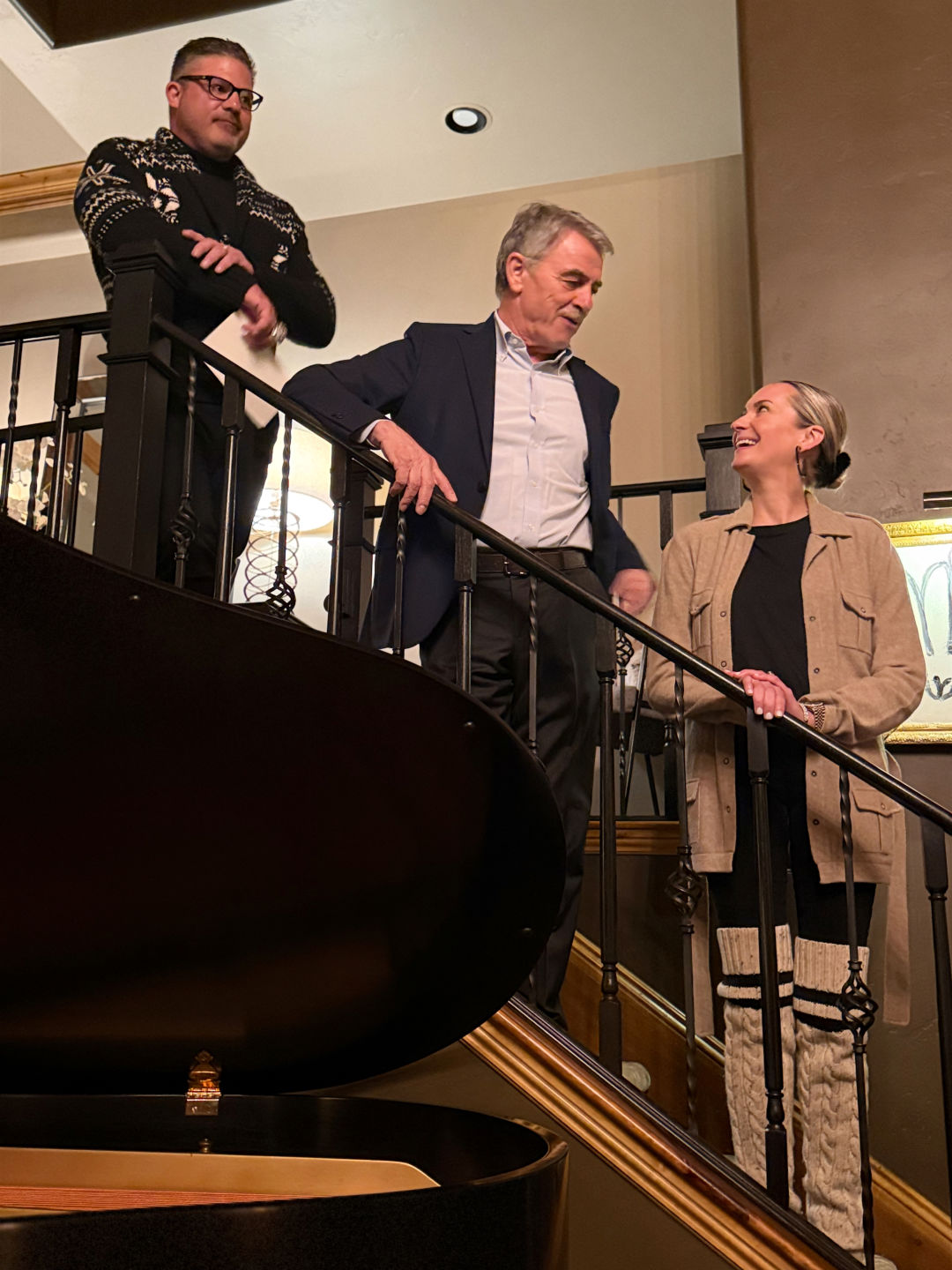
Image: Ted Katauskas
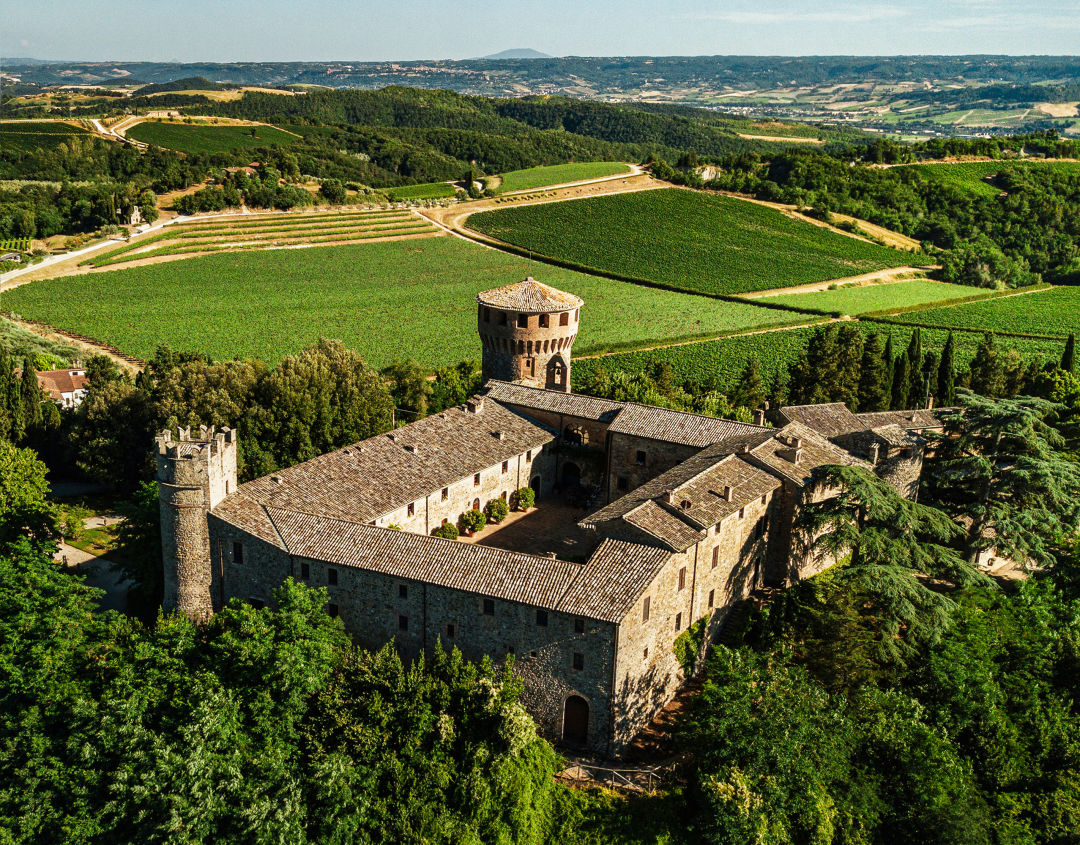

Image: Ted Katauskas
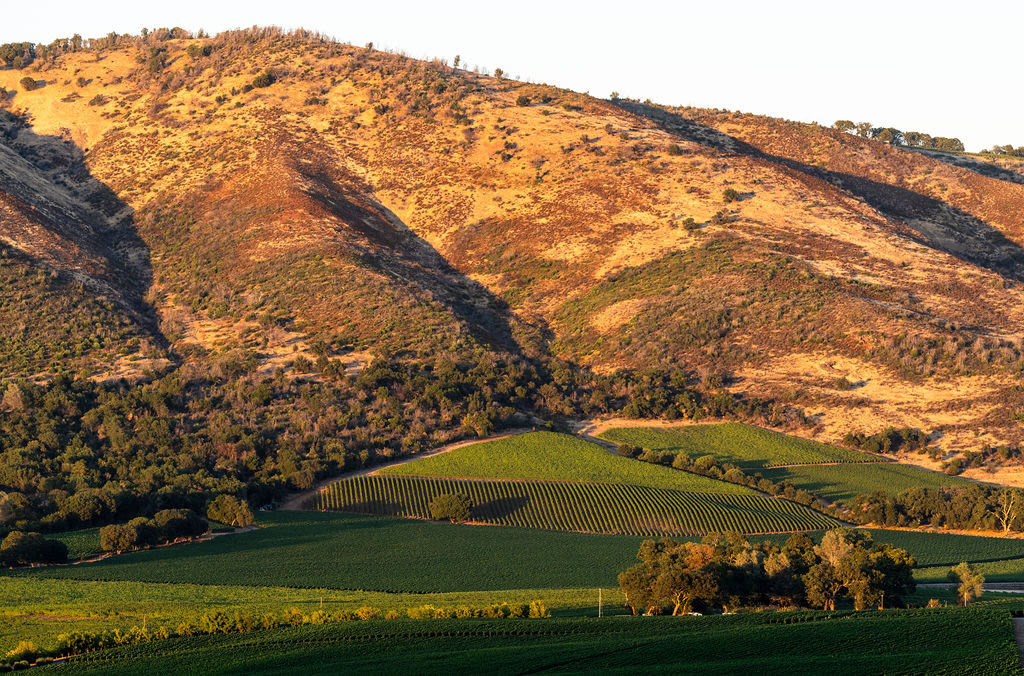
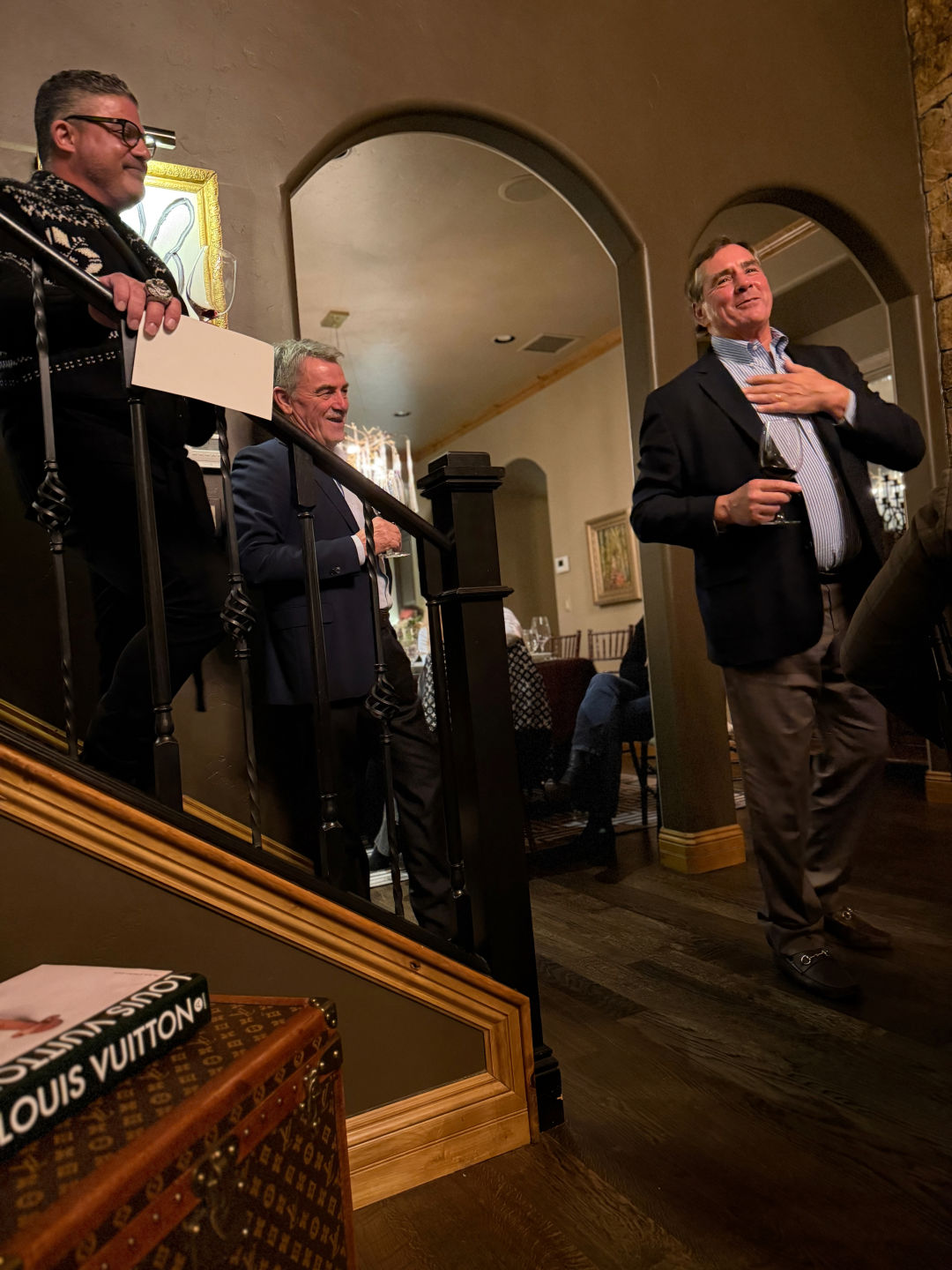


Image: Ted Katauskas
Image: Ted Katauskas
WINE FINDER
Area restaurants with bottle selections served at the Antinori dinner
Castello della Sala 2023 Cervaro della Sala: La Bottega, $165 (2021 vintage); Tavernetta Vail, $168 (2022 vintage)
Badia a Passignano 2022 Chianti Classico DOCG Gran Selezione: La Nonna, $220 (2016 vintage)
Pian delle Vigne 2019 Vignaferrovia Riserva Brunello di Montalcino DOCG: La Nonna, $205; Sweet Basil, $80 (Pian della Vigne 2021 Rosso di Montalcino DOC)
Tenuta Tignanello 2022 Solaia: Mirabelle, $875 (2022 vintage); La Nonna, $1,350 (2012 vintage)
Tenuta Guado al Tasso 2021 Matarocchio Bolgheri DOC Superiore: Fattoria, $300; Tavernetta Vail, $414 (2022 vintage); La Nonna, $697 (2020 vintage)
Local Antinori wine retailers
Alpine Wine & Spirits